Author: Tanatswa Mukwacha

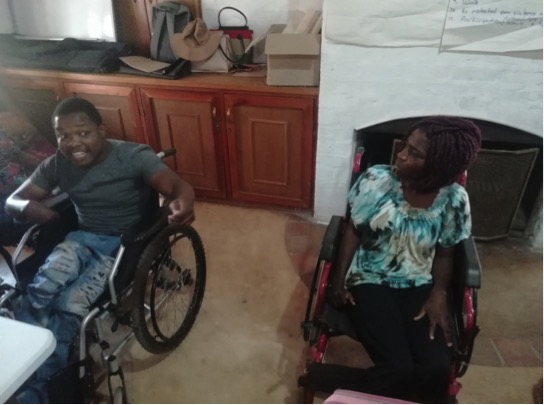
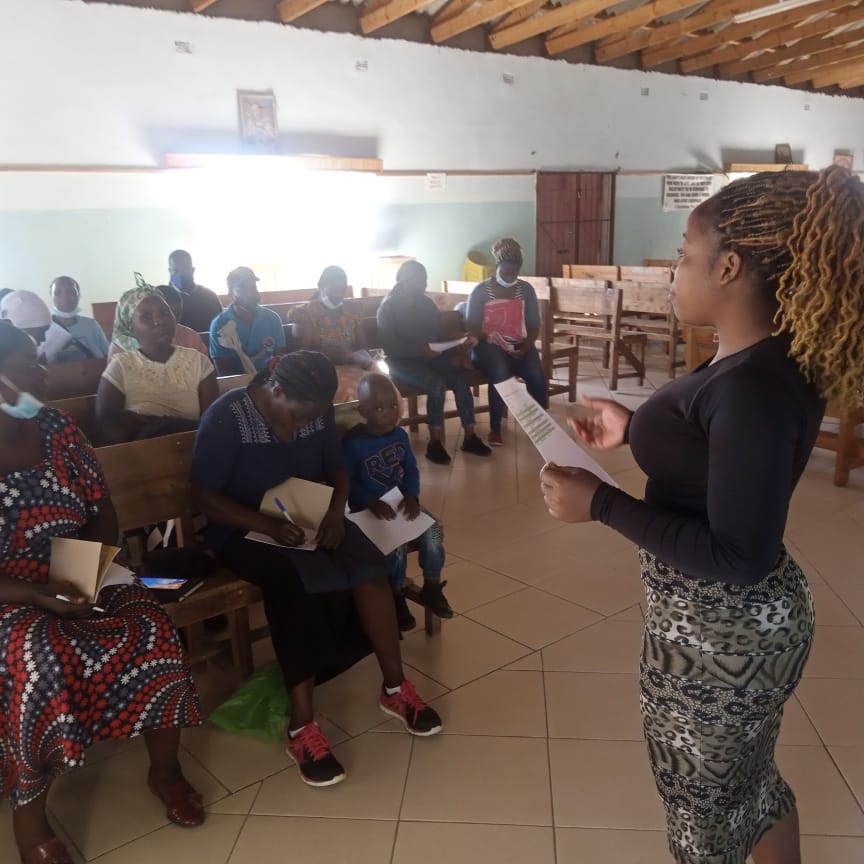
  • ZPHCA Epworth Advocacy Training Workshop at Domboramwari Kuwirirana Center.

    ZPHCA Epworth Advocacy Training Workshop at Domboramwari Kuwirirana Center.

    For the benefit of boys and girls living with disabilities, ZPCHA is implementing the Disability Inclusive Parenting Model in five districts of Zimbabwe as part of its official collaborative efforts to support actors in the fields of health, education, social development, and social protection services.

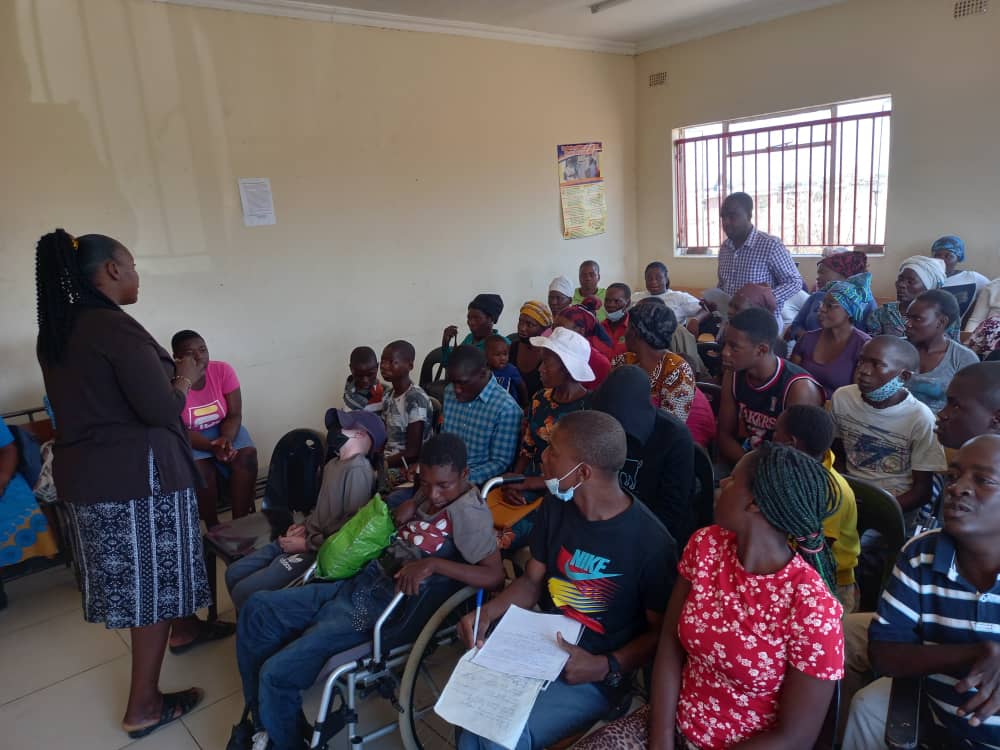
    At the Domboramwari Centre in Epworth, the Zimbabwe Parents for Handicapped Children Association conducted a training course for leaders of support groups in advocacy. The workshop took place over two days, on November 29 and 30. Participants were chosen from Domboramwari, Overspill, Solani, and Chinamano, the four Epworth support groups. The ZPHCA field officer, M&E officer, volunteers, and representatives from UNICEF Zimbabwe and the Department of Social Development were among the facilitators.

    The M&E officer from ZPHCA gave opening remarks to kick off the class, and each participant had a chance to identify themselves. Providing advocacy abilities and advocacy messaging skills to help group leaders were the goals of the advocacy training.
    Promoting official cooperation between actors in the fields of health, education, social development, and social protection services to implement the Disability Inclusive Parenting Model in five districts of Zimbabwe for the benefit of disabled boys and girls is the project’s focus. The workshop was attended by forty-two people, all of them were female. Key advocacy issues were covered in their training. The training covered topics such as the definition of advocacy, its significance, essential advocacy techniques and strategies, and more.

    The attendees were excited to learn about important advocacy issues that directly impact their children who have disabilities. The first meeting with the department of social development, which provided a wealth of information on the rights of disabled children, brought up a number of important concerns that parents of disabled children are facing, including those related to education, housing, the establishment of daycare centres, and access to reasonably priced transportation. The purpose of the project is to empower parents to advocate for their children, so the skills they acquired in the session were crucial.

    Parents were attentive and mastered the advocacy discourse well and are now ready to create advocacy messages and give feedback to ZPHCA as they prepare to face duty bearers and stakeholders who they will target in their advocacy efforts.
    The activity played a vital role in moulding the conversation surrounding parent advocacy among support group facilitators. They were given more authority regarding strategy, message development, and effective message delivery. A variety of strategies were employed, such as writing letters, having conversations with those in positions of responsibility, and speaking up at community and local authority gatherings and workshops.

    Parents welcomed the advocacy training which strengthened their strive towards improving the welfare and livelihood of children with disabilities through capacity building for advocacy. In order to prepare for the advocacy with duty bearers, going forward, support group leaders should create advocacy messaging within their own groups and provide ZPHCA with input. To encourage coalition formation and cooperation for efficient lobbying among the support groups, a WhatsApp platform group will be established.
  • ZPHCA hosted the Annual Youth with Disability National Convention

    ZPHCA hosted the Annual Youth with Disability National Convention

    Zimbabwe Parents of Handicapped Children’s Association (ZPHCA) facilitated the hosting of the ZPHCA Youth with Disability National Convention at ROKPA Centre in Harare on the 8th of September 2023.

    The Annual Youth with Disability Convention was attended by 43 youth with disabilities from the greater Harare Region and beyond. The event was also attended by various government departments, Civil Society Organization, and other community-based organizations. The Youth with Disability Convention was a perfect opportunity for youth with disabilities to collectively engage and dialogue with stakeholders on youth with disability priority issues.

    Theresa Makwara, the ZPHCA Director, was the Guest of Honor at the event. Also in attendance were the ZPHCA Board Members, Civil Society Organization, Parents, Support Group Leaders, Stakeholders, Community Leaders, Volunteers, and ZPHCA Staff Members.

    The year 2023 edition of the Annual Youth with Disability Convention ran under the theme: ‘‘PROMOTING AND PROTECTING THE RIGHTS OF YOUTH WITH DISABILITIES IN ZIMBABWE’’. Youth with Disabilities who attended the workshop managed to work together and develop clear advocacy messages and key demands they want to see various stakeholders implement to ensure promotion, protection and fulfilment of youth with disability Rights in Zimbabwe. The gathered youth with disabilities with the guidance of the ZPHCA Staff Members adopted the following 10 Point Plan as their Advocacy Campaigning Tool.

    Key National Advocacy Demands by ZPHCA Youth with Disabilities 2023 – Our Collectively Adopted 10-Point Advocacy Priorities for Youth with Disabilities by Youth with Disabilities.

    1.Stop Stigma and Discrimination of Children and Youth with Disabilities – As Youth with Disabilities, we challenge the Government and Stakeholders to expand community dialog platforms on harmful religious & cultural practices, norms & perceptions that discriminate against children and adolescents with disabilities as part of efforts to overcome wrong myths and misconceptions about disabilities.

    2. Let us work together to overcome Illiteracy amongst Youth with Disabilities – Government and Stakeholders should offer free educational opportunities and support for children and adolescents with disabilities so that they can attain literacy and independent living in the future. Youth delegates concluded that education comes with empowerment, employment opportunities, music, arts and sports opportunities, and prospects of earning decent salaries which are key in overcoming circles of poverty, exploitation, vulnerability, and abuse that characterize the lives of children and youth with disabilities.

    3. Stakeholders need to Focus on Identifying and Grooming Unique Talents amongst Children and Youth with Disabilities – All stakeholders working with youth with disabilities need to focus on early talent identification, nurturing, grooming and exposing such talents to National and Global Opportunities for financial and material gain.

    4. Localize National Disability Policy and UNCRPD at the Local level – as youth with disabilities request disability-friendly versions of Local, National, and International Disability Friendly Laws, Policies, and Conventions. As youth with disabilities, we request that Laws and Policies be translated into disability-friendly formats, youth-friendly versions and then localization of such Laws and policies including; the Constitution of Zimbabwe, UNCRPDs, National Disability Policy, Disabled Persons Act, National Development Strategy 1 (2021-2025), the Child Act and UNCRC amongst other Laws and Policies.

    5. As Youth with Disabilities, We Deserve Reasonable Accommodation – Youth with Disabilities challenges all stakeholders to consider constructing disability-inclusive infrastructure at every level of societal development, service providers quickly modify and construct accessible buildings for the benefit of children with disabilities. We further demand that all the sectors of the economy both in private and public spheres should make efforts to promote the inclusion and participation of children with disabilities in all their planning, programs, activities, feedback and good governance processes.

    6. As Youth with Disabilities, We Deserve Social and Economic Empowerment Opportunities – As Youth with Disabilities we request setting aside of Disability Grants, Economic Empowerment Grants, Business Loans, Entrepreneurship Opportunities, Access to Machineries, Access to business training and information, Access to formal and informal markets, Access to Value Addition Skills and Vocational Training Opportunities and other Support Services for youth with disabilities.

    7. Ensure Affordable and Accessible Assistive Devices for All – As Youth with Disabilities we challenge stakeholders to empower youth with disabilities to manufacture, service and repair Assistive Devices to reduce the costs of assistive devices. The Government needs to remove all import taxes changed on disability assistive devices and other related technologies.

    8. We Request Recognition and Participation of Children and Youth with Disabilities – stakeholders are challenged to ensure the inclusion of youth with disabilities in Budget Making, Policy Making, and Decision-Making processes in public and private spheres including at the Local Authority and National Government Levels.

    9. We Deserve Easy Access to Information on Disability – formal Sign Language training for Caregivers, children and adolescents with disabilities, teachers and other frontline service providers should be prioritised by stakeholders. Stakeholders are requested to offer youth with disabilities access to information on cross-cutting issues in disability-friendly formats and languages. Information on Disability Rights, Sexual Reproductive Health Rights, Disasters Management, HIV and AIDS, and Gender Justice amongst others.

    10. We Demand Access to Free Health and Rehabilitation Services and Support – health and rehabilitation services should be available and accessible to children with disabilities at the community and institutional levels to reduce the cost of travelling, time, and distances to the nearest service providers. Children with Disabilities require constant disability assessments and therapies to improve the functionality of body parts. Access to specialised medical examination, medication, and complimentary food deities are all key requirements for the proper growth and development of children with disabilities.

  • Retreat Camps for Traumatized Children with Disabilities and Caregivers of Children with Disabilities

    Retreat Camps for Traumatized Children with Disabilities and Caregivers of Children with Disabilities

    According to most psychologists, individual trauma results from an event, series of events or set of circumstances that is experienced by an individual either physically or emotionally and that can have lasting adverse effects on the individual’s functioning and physical, social, emotional well-being.

    In low-income nations, there is a general dearth of awareness about disability and particularly the variables that are linked to it. The general inclusion of persons with disabilities is still very low and this causes a lot of obstacles for persons living with disabilities. Access to basic services such as education, health and other needs are actually a challenge to most. This alone continuously causes stress, tension and eventually trauma. A traumatized child may experience a variety of feelings both right away and years later. They could struggle to digest their sensations or feel overpowered, helpless, stunned or overwhelmed. Physical symptoms can also be a result of trauma.

    Zimbabwe Parents of Handicapped Children Association (ZPHCA) facilitated retreat camps for traumatized children with disabilities and caregivers of children with disabilities. The objectives of the retreat camps were to provide a safe space where they can engage in play and recreational activities. Parents and caregivers engaged in singing competitions, modelling, dancing. In addition, there were group counselling sessions where they share experiences and offered each other advice (peer to peer counselling).
    The program managed to offer a safe place where children could share anything they want. There are non-judgmental hence participants were opening up. Peer to peer counseling interactive discussions where children opened themselves to get comfort from other children.

  • Retreat camps for caregivers and adolescents with disabilities

    Retreat camps for caregivers and adolescents with disabilities

    Any adult who regularly looks after a child with impairments qualifies as the child’s caregiver. The child’s parents usually look after them by default, but a caregiver can also be a hired professional who is compensated. A special needs child may also receive regular or sporadic care from other family members and reliable friends. Generally, the value of a caregiver to a child with disabilities is enormous.
    ZPHCA together with the department of Social Development hosted retreat camps for caregivers and adolescents. 138 caregivers and adolescents attended the retreat camp with the objective of improving their psychosocial wellbeing and to share experiences of caring children with different disabilities.

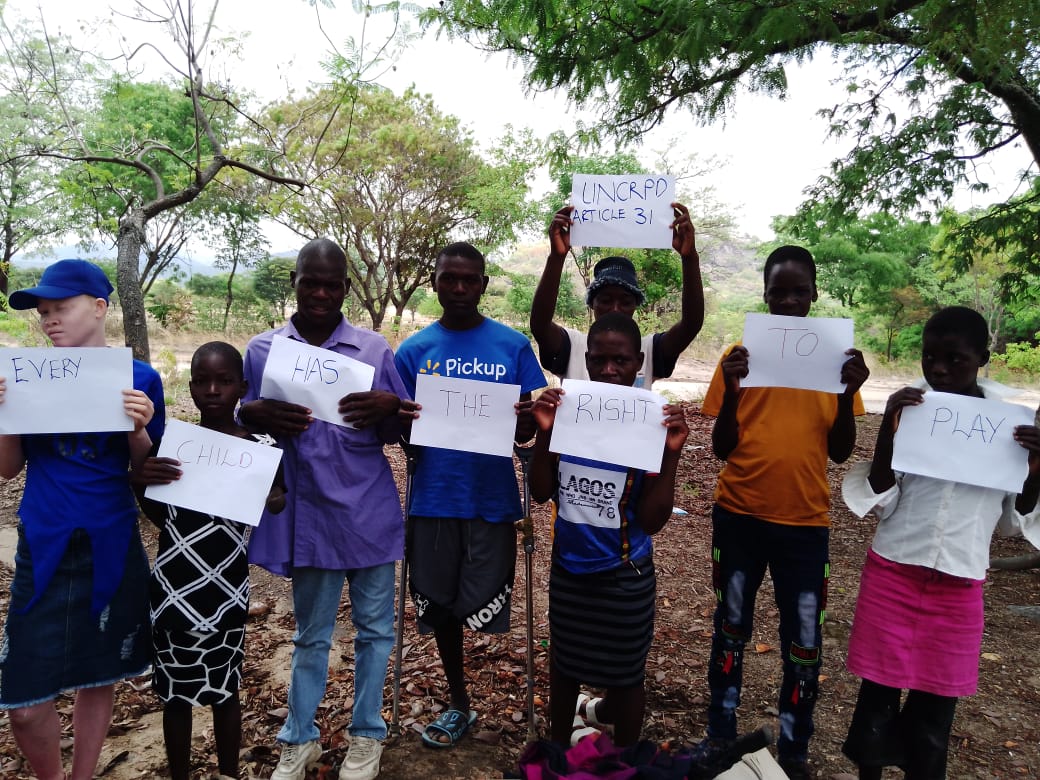
    Through the project, the ZPHCA team managed to note that most of the adolescents with disabilities were aware of the abuses and not familiar with the policies that protect them. Hence a request for simplified versions of the policies in local languages were put forth. The UNCRC Article 31 states that every child has a right to leisure and play, as it is mandated to promote leisure participation for all children including those with disabilities. Caregivers were encouraging to create safe places for play, that are safe and free to play. It was made clear to parents that play has benefits including developing the following: cognitive development, physical development, communication skills, social and emotional development.

    The day was later spent with caregivers playing with the children, singing and dancing to the music. “Thank you ZPHCA we now know each other and we have destressed from the caring of children with disabilities. We need more trainings like these and we express our utmost gratitude to the partners that made this event a reality” sentiments from one of the participants.

  • Parenting And Prevention of Sexual Exploitation and Abuse (PSEA) Training

    Parenting And Prevention of Sexual Exploitation and Abuse (PSEA) Training

    Parenting education has numerous advantages for parents, kids and families of persons living with disabilities. Such programs can assist parents in discovering practical solutions for enhancing their child’s abilities, controlling difficult habits and fostering their development. It is also of great importance that parents and other stakeholders are educated on sexual exploitation and abuse preventative measures that can be taken to safeguard children and adolescents with disabilities.

    For most families, parenting provides an ongoing source of happiness and joy as well as increased responsibility, anxiety and stress. Clearly, raising any child can be a difficult and emotional task for any parent, unfortunately, information pertaining to typical child development and childrearing strategies specific for parents with children with disabilities is very limited.

    Zimbabwe Parents of Handicapped Children Association (ZPHCA) conducted a disability inclusive Parenting and Prevention of Sexual Exploitation and Abuse (PSEA) training. The project was done through the program ” Building Capacity and Culture of Protection from all Forms of Violence, Abuse and Exploitation of Children and Adolescents with Disabilities (CAWDs).

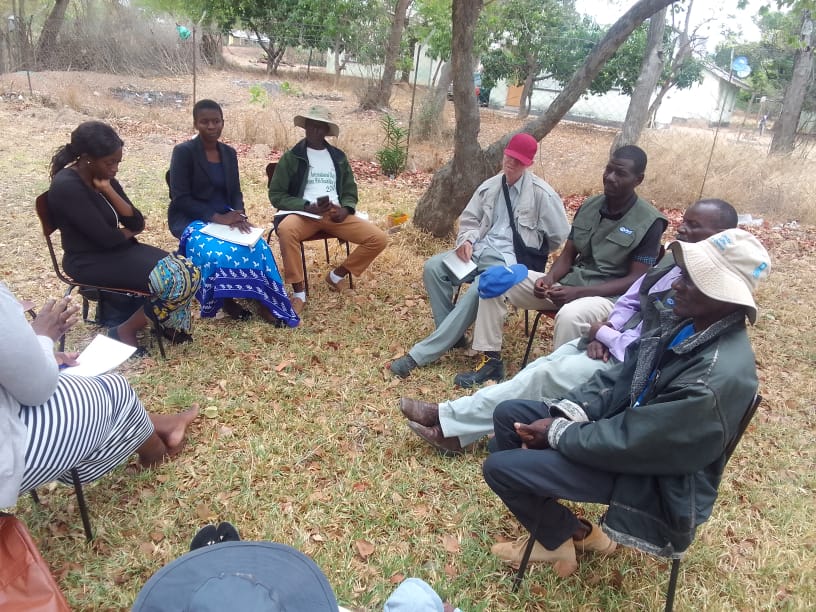
    The objective of the training was to impart knowledge regarding disability inclusive parenting and to capacitate traditional leaders, DPOs, Faith-Based Organizations and Community based Organizations to facilitate case reporting, referral services and prevention of sexual exploitation and abuse of Children and adolescents with disabilities.

    In attendance were representatives from Department of Social Development, Zvataida-UMP Rural District Council, Ministry of Youth, Traditional leaders, Faith based Organizations, Zvatinoda Special Needs and Care Club and other Community-Based Organizations. The training was a great success and our team managed to establish significant positive impact through the interactive and inclusive training.

  • Training of community resource persons in Zhombe, Redcliff and Kwekwe on the Disability Inclusive Parenting Toolkit

    Training of community resource persons in Zhombe, Redcliff and Kwekwe on the Disability Inclusive Parenting Toolkit

    The Zimbabwe Parents for Handicapped Children Association (ZPHCA) managed to create a Disability Inclusive Parenting Toolkit, the toolkit provided practical information on how to plan, coordinate and implement inclusive parenting that address the needs and priorities of children with disabilities.

    The use of evidence-based interventions can be increased via a toolkit, which is a collection of flexible materials to guide and ease implementation. The majority of accessible toolkits offer materials regarding the intervention but do not include instructions for customization to various contexts or implementation support tactics. Generally, toolkits are designed to help users implement more seamlessly, thereby bridging or reducing the gap between implementation and practice. They provide a blueprint for what to do, when to do it and how to do it.

    The Zimbabwe Parents Handicapped Children Association team managed to train community resource persons in Zhombe, Redcliff and Kwekwe on the Disability Inclusive Parenting Toolkit. The toolkit will include a set of short guidance, practical tools and capacity-building packages that provide operational guidance on including community resource persons on the disability parenting toolkit.

    From the training, community resource persons managed understand what the Disability Inclusive Parenting Toolkit is, what it does, how to use it and how it is going to make positive change to children with disabilities. Persons in Zhombe, Redcliff and Kwekwe were extremely grateful and delighted of the training, hence they requested more programs and engagements from the Zimbabwe Parents Handicapped Children Association team.

  • ZPHCA Commemorates 16 Days of Activism Against Gender Based Violence

    ZPHCA Commemorates 16 Days of Activism Against Gender Based Violence

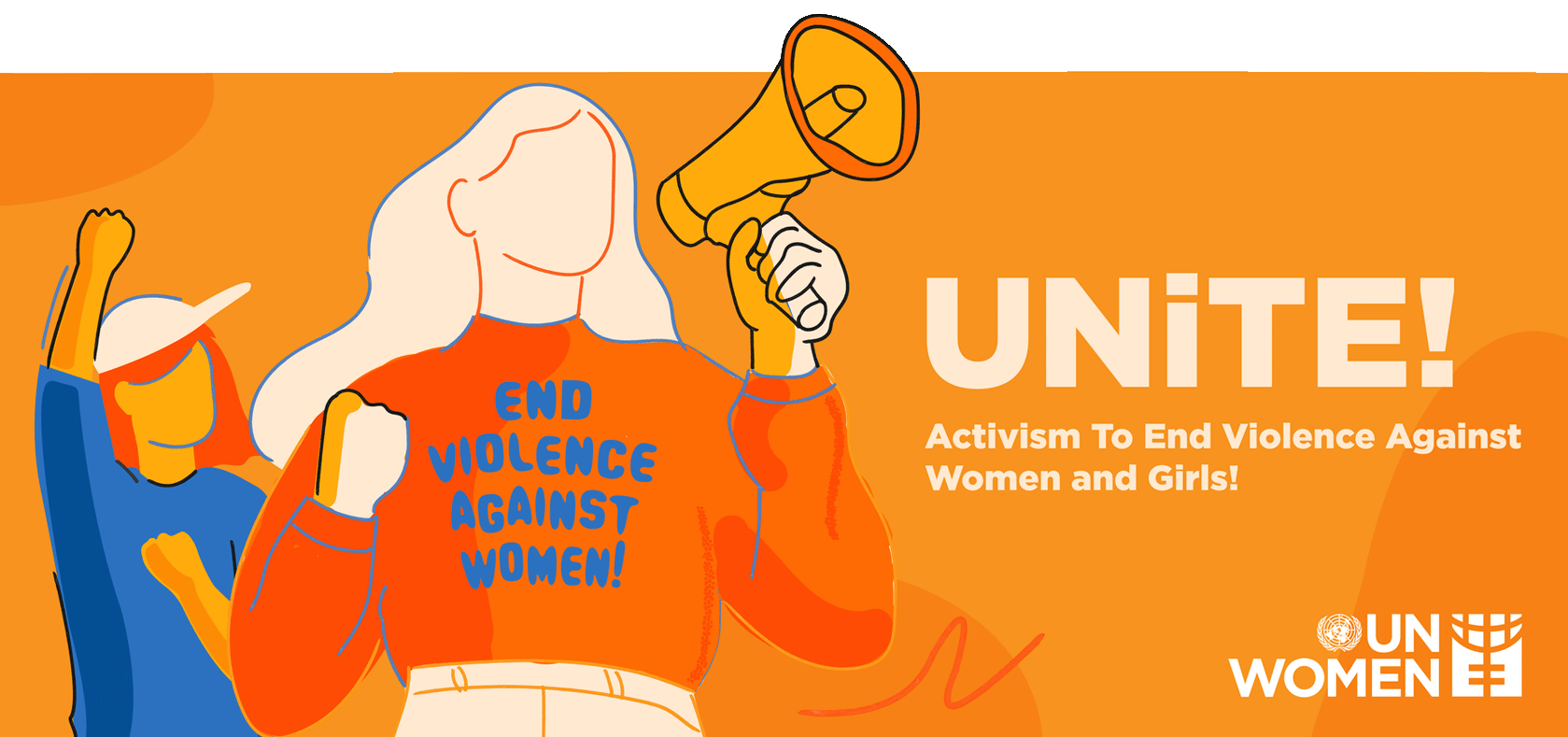
    By 2030, UNFPA pledges to stop all types of violence against women and girls as well as other harmful behaviors. Every year, the 16 Days of Activism campaign offers a significant platform for drawing attention to our shared mission to stop violence against women and girls. This year, under the UNiTE theme, “Activism to End Violence against Women & Girls”, UNFPA will focus on making online spaces safe by highlighting digital violence and all forms of gender-based violence (GBV) facilitated by technology.

    They will also emphasize new approaches to GBV prevention and response strategies as well as the ability of activism to stop violence in both the physical and digital spheres. UNFPA seeks to advance its mission of ensuring that women and girls can exercise their unalienable right to feel safe, prosper and flourish wherever they are by elevating the voices of changemakers.

    Zimbabwe Parents of Handicapped Children Association (ZPHCA) joined the world in commemorating 16 days of activism against GBV. For us this year’s theme was Unite – activism to end violence against women and girls with disabilities. Girls with disabilities from ZPHCA prepared advocacy messages on violence against women and girls with disabilities and recorded videos sharing their messages.

    Due to the intersection of gender and disability, women and girls with disabilities confront unique challenges in obtaining their rights. They endure denial of their dignity and autonomy, as well as prejudice, exclusion and isolation all too frequently, both in public and within their own families. Hence through the stated 2022 theme we want to unite as all stakeholders to end violence against women and girls living with disabilities.

  • Disability Inclusive Parenting and Prevention of Sexual Exploitation and Abuse (PSEA) training in Uzumba

    Disability Inclusive Parenting and Prevention of Sexual Exploitation and Abuse (PSEA) training in Uzumba

    Zimbabwe Parents of Handicapped Children Association (ZPHCA) conducted a disability inclusive parenting and Prevention of Sexual Exploitation and Abuse (PSEA) training in Uzumba Maramba Pfungwe district under the project ” Building Capacity and Culture of Protection from all Forms of Violence, Abuse and Exploitation of Children and Adolescents with Disabilities (CAWDs)

  • RETREAT CAMPS FOR TRAUMATIZED CHILDREN WITH DISABILITIES AND CAREGIVERS OF CHILDREN WITH DISABILITIES

    RETREAT CAMPS FOR TRAUMATIZED CHILDREN WITH DISABILITIES AND CAREGIVERS OF CHILDREN WITH DISABILITIES

    Zimbabwe Parents of Handicapped Children Association facilitated retreat camps for traumatized children with disabilities and caregivers of children with disabilities in Kwekwe and Redcliff. The objectives of the retreat camps was to provide a safe space were they can engage in play and recreational activities. Parents and caregivers engaged in singing competitions, modelling ,dancing. In addition there were group counselling sessions where they shared experiences and offered each other advice (peer to peer counselling)

  • TRAINING OF COMMUNITY RESOURCE PERSONS

    TRAINING OF COMMUNITY RESOURCE PERSONS

    Training of community resource persons in Zhombe,Redcliff and Kwekwe on the Disability Inclusive Parenting Toolkit