Category: ZPHCA News

  • National Advocacy during the International Day for Persons with Disabilities

    National Advocacy during the International Day for Persons with Disabilities

    Zimbabwe Parents of Handicapped Children’s Association (ZPHCA) participated in the national commemorations of the International Day for Persons with Disabilities (IDPD) held at Jerera Primary School in Zaka on 3 December 2025. The event brought together various stakeholders, organisations of persons with disabilities, government representatives, and community members to reflect on progress made towards disability inclusion and to advocate for the rights of persons with disabilities.

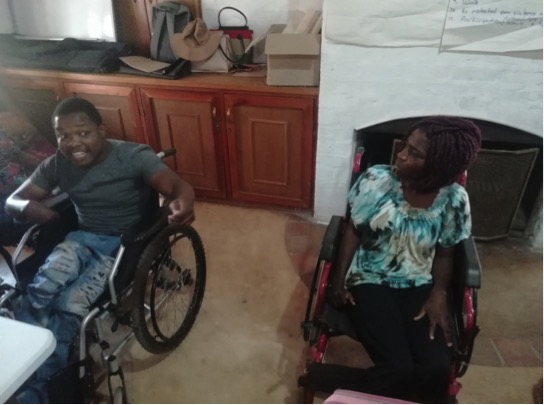
    As part of the commemorations, ZPHCA ensured that children and youth with intellectual disabilities were actively represented at the national platform. A total of 10 children and youth with different forms of disabilities participated in the event, providing them with a valuable opportunity to engage with national leaders and share their experiences.

    The participation of children and youth with disabilities was particularly significant as it strengthened their confidence, leadership, and advocacy skills. By taking part in national advocacy processes, the young participants were empowered to speak about issues that directly affect their lives, including access to inclusive education, social services, and community support.

    During the event, the children and youth with disabilities developed a youth and child-friendly advocacy position paper highlighting key issues affecting persons with disabilities. The document captured their voices, experiences, and priorities, ensuring that the concerns of young people with disabilities are heard at decision-making levels.

    The advocacy position papers were presented to key national leaders and representatives including Honourable Senator Annah Shiri, Honourable Senator Ishmael Zhou, who represents persons with disabilities in Parliament, Mr. Zimhunga, Acting Chief Director in the Ministry of Public Service, Labour and Social Welfare, and Ms. Mercy Maunganidze, Chairperson of the National Disability Board.

    These engagements created an important platform for direct dialogue between young people with disabilities and policymakers, allowing leaders to hear firsthand the challenges faced by children and youth with disabilities in their communities.

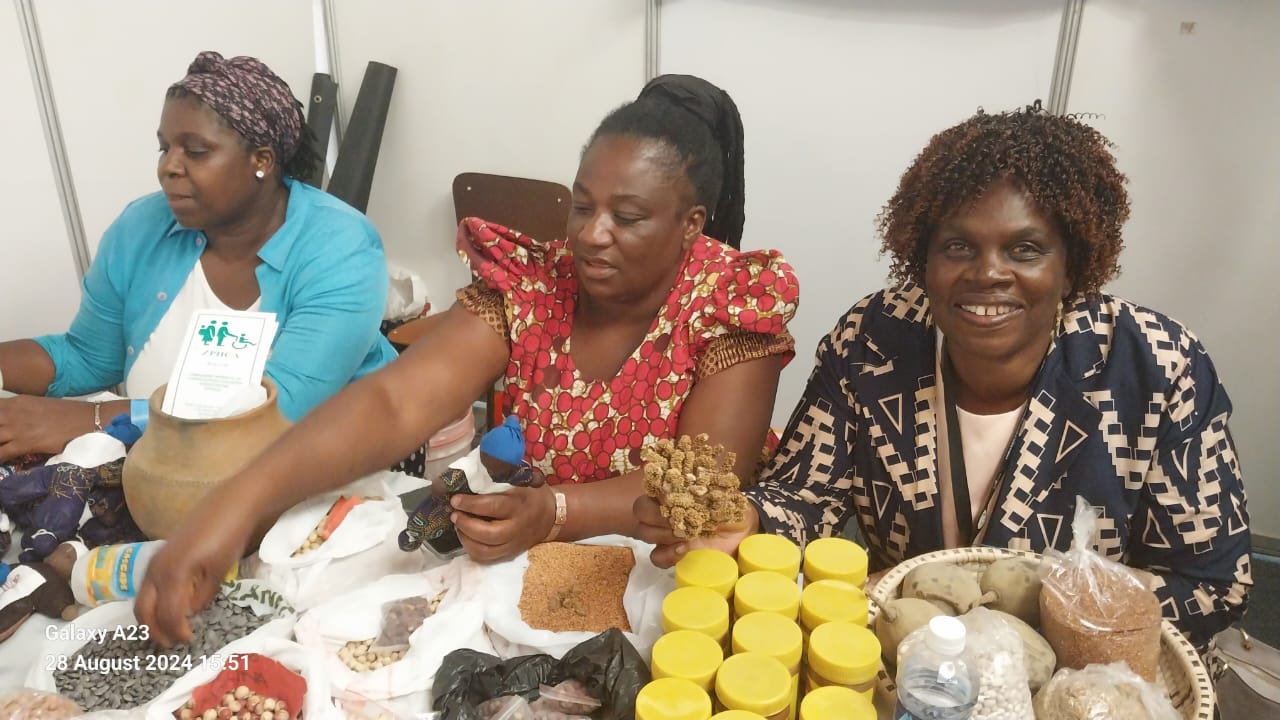
    In addition to advocacy activities, youth with disabilities also participated in exhibitions during the commemorations where they showcased innovative and entrepreneurial products. The exhibition demonstrated the talents, creativity, and capabilities of young people with disabilities, challenging negative stereotypes and promoting greater acceptance within communities.

    The participation of ZPHCA and the young people in the national commemorations contributed to raising awareness on disability rights, promoting inclusion, and strengthening community understanding of the abilities and potential of persons with disabilities. It also highlighted the importance of ensuring that children and youth with disabilities are included in national conversations and decision-making processes that affect their lives.

    Through such advocacy platforms, ZPHCA continues to promote the meaningful participation of children and youth with intellectual disabilities, ensuring that their voices are recognised and their rights are protected within communities and at national level.

  • The role played by traditional leaders in allocating land, water and other locally available resources required by Grassroots Women

    The role played by traditional leaders in allocating land, water and other locally available resources required by Grassroots Women

    Traditional leaders have played an essential and transformative role in supporting the grassroots women’s resilience-building livelihoods projects by facilitating access to critical resources. In many rural and marginalized communities, traditional leaders hold significant influence over the management and distribution of communal resources such as land, water, and other locally available assets. Their involvement is instrumental in helping grassroots women establish and sustain livelihoods that counter the negative impacts of climate change, poverty, and economic exploitation.

    Allocation of Land
    Land access is fundamental for agricultural projects like market gardening and small-scale farming. In many traditional communities, land rights are often controlled or influenced by local chiefs and traditional authorities. By allocating land to grassroots women, these leaders ensure that women have the space to cultivate crops, raise livestock, and initiate other projects essential for food production and income generation. Without this land, many women would struggle to grow food for their families or to participate in market-based agriculture, further exacerbating hunger and malnutrition.

    Access to Water Resources
    Water access is another vital resource, especially in areas affected by climate change where droughts and unpredictable rainfall are increasingly common. Traditional leaders, who often manage local water sources such as rivers, wells, or communal water systems, play a key role in granting women access to these resources for irrigation and livestock production. This ensures the sustainability of agricultural projects and helps communities become more resilient to climate-related water shortages.

    Mobilization of Local Resources
    Traditional leaders not only provide land and water but also help mobilize other locally available resources such as seeds, agricultural tools, building materials for storage facilities, and even labor from the community. Their support creates an enabling environment for grassroots women to efficiently carry out their livelihood’s projects. By ensuring the community’s involvement and backing, traditional leaders strengthen the collective effort to fight climate-induced hardships, making the projects more sustainable and impactful.

    Promotion of Social Cohesion and Support
    Traditional leaders play a crucial role in fostering community cohesion and support for the women’s initiatives. In rural societies, these leaders hold the respect and authority needed to encourage community members to work together, offer assistance, and respect the rights of women. This support helps grassroots women overcome societal barriers, especially in male-dominated cultures where women may face discrimination or exclusion from resource access and decision-making processes.

    Empowerment and Legitimization of Women’s Efforts
    By backing women’s projects, traditional leaders give legitimacy and credibility to the efforts of grassroots women, elevating their status within the community. Their endorsement encourages wider community acceptance of women’s roles in agriculture and economic activities, which in turn helps challenge gender biases and empowers women to take on leadership roles. This cultural shift is vital for long-term gender equality and the sustainability of these resilience-building initiatives.

    Facilitating Knowledge Exchange and Traditional Agricultural Wisdom
    Traditional leaders, often seen as custodians of indigenous knowledge, also contribute to the success of resilience-building projects by sharing valuable agricultural wisdom that has been passed down through generations. This knowledge, which includes insights on sustainable land management, water conservation, and seasonal farming techniques, complements modern agricultural training and enhances the women’s ability to thrive in changing environmental conditions.

    Support for Climate Change Mitigation
    With climate change posing a significant threat to rural communities, traditional leaders have embraced their role in supporting climate adaptation efforts. By providing grassroots women with the necessary resources to establish climate-resilient agricultural practices, they actively participate in mitigating the effects of climate change. Their support helps ensure that communities are better prepared to handle environmental challenges like droughts, floods, and extreme weather conditions, which disproportionately affect women and vulnerable populations.

    Enhancing Economic Opportunities
    The backing of traditional leaders also opens up economic opportunities for women. By granting access to land and water, grassroots women are able to produce goods for both subsistence and commercial purposes. The economic security gained from these livelihood projects allows women to sell their produce in local markets, thereby improving their financial independence and reducing vulnerability to economic exploitation.

    Cultural Endorsement of Women’s Participation in Development
    In many traditional communities, the endorsement of women’s initiatives by local leaders is seen as a cultural approval of women’s growing involvement in economic and social development. This endorsement shifts cultural perceptions, making it acceptable and even encouraged for women to actively participate in, and lead, community development initiatives, including those focused on climate resilience and sustainability.

    In summary, the role of traditional leaders in allocating land, water, and other resources is not merely logistical; it is pivotal to the overall success and sustainability of grassroots women’s resilience-building projects. Their support helps dismantle barriers to resource access, fosters community unity, and empowers women to tackle climate change, hunger, malnutrition, poverty, and exploitation. By enabling women to take charge of their livelihoods, traditional leaders are helping build more resilient and self-sufficient communities capable of thriving in the face of adversity.

  • “A Closer Look at ZPHCA: Empowering Grassroots Women through Resilience and Livelihood Projects”

    “A Closer Look at ZPHCA: Empowering Grassroots Women through Resilience and Livelihood Projects”

    The Zimbabwe Parents for Handicapped Children Association (ZPHCA) Grassroots Women, who are mothers of children with disabilities, have united in a collective effort to address climate change through resilience-building initiatives. These dedicated women have embraced this journey as a way to not only safeguard their communities against the effects of climate change but also to create sustainable livelihoods for themselves and their families.

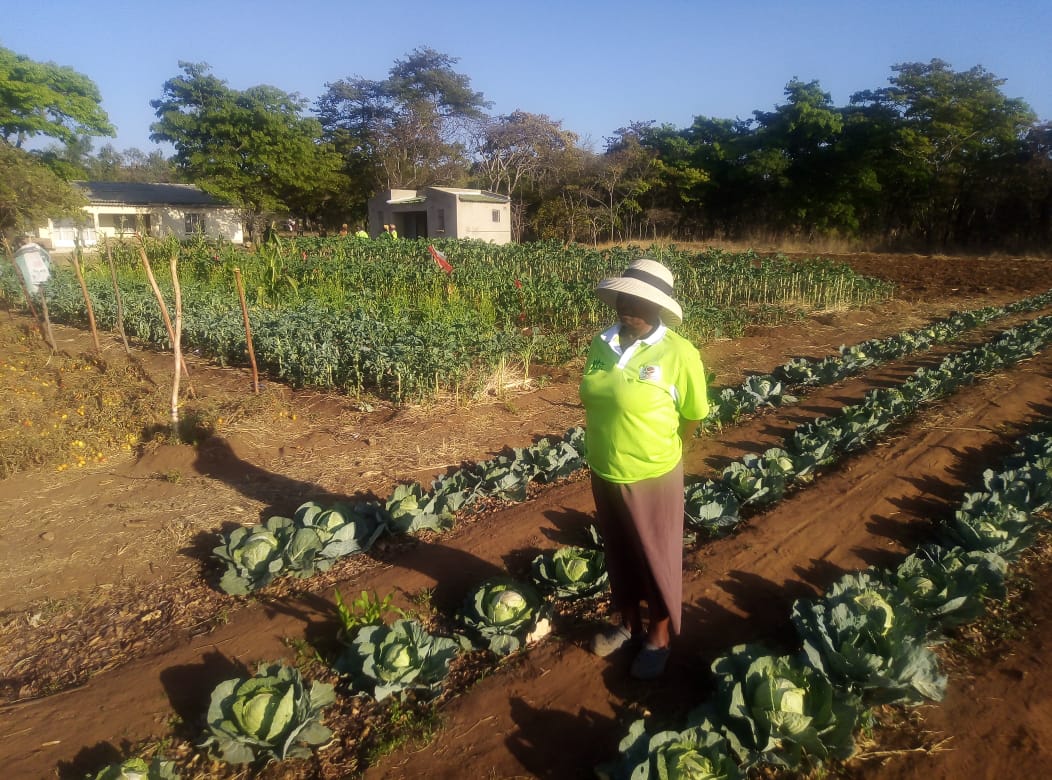
    Through ZPHCA, these grassroots women have made significant strides by initiating various innovative livelihoods projects aimed at fostering both food and income security. Some of the key projects they have spearheaded include kitchen gardening, group gardening, poultry production, peanut butter making, and waste management. These efforts are not just individual pursuits but community-based activities that are transforming the lives of many families. The successful implementation of these projects is enabling the women to achieve food security, ensuring that their families have consistent access to nutritious food. Additionally, they are generating income, improving their economic standing, and enhancing overall well-being at both family and community levels.

    The resilience-building efforts of these grassroots women have not gone unnoticed. Agricultural Extension Officers have stepped in to support their projects by providing training on market gardening and small livestock production. This technical assistance has equipped the women with the skills necessary to manage their projects more effectively and increase their yields. Furthermore, traditional leaders have also played a crucial role in the success of these initiatives. They have helped by allocating essential resources such as land and water, which are vital for the women’s agricultural projects. The support from these leaders ensures that the women have access to the tools and resources they need to combat the challenges posed by climate change, such as hunger, malnutrition, poverty, and economic exploitation.

    Through their collective efforts and the support from agricultural experts and traditional leaders, the ZPHCA Grassroots Women are not only building resilience against climate change but also empowering themselves and their communities. Their projects are a testament to the power of unity, innovation, and local resourcefulness in overcoming adversity and creating sustainable, thriving communities.

  • How grassroots women are benefiting from championing the ZPHCA Grassroots Women Resilience Building Livelihoods Projects

    How grassroots women are benefiting from championing the ZPHCA Grassroots Women Resilience Building Livelihoods Projects

    The Grassroots Women Resilience Building Livelihoods Projects offer numerous benefits that extend across individuals, families, and communities. These include:

    1. Food Security
    By engaging in kitchen and group gardening, poultry farming, and other agricultural activities, grassroots women ensure a stable supply of food for their families. This reduces dependence on external food sources and helps prevent hunger and malnutrition, especially during climate-related disruptions.

    2. Income Generation
    Projects such as peanut butter making, poultry production, and market gardening allow women to generate additional income. This financial security helps them meet their household needs, invest in their children’s education, healthcare, and improve their standard of living.

    3. Empowerment and Independence
    Participating in these projects empowers women by increasing their economic independence. Through skill development and access to resources, they are less reliant on external aid or male-dominated structures, enhancing their decision-making power within the family and community.

    4. Climate Resilience
    These livelihood projects are designed to mitigate the impacts of climate change. By learning sustainable agricultural practices, waste management, and water conservation techniques, grassroots women can adapt to changing environmental conditions, thereby building resilience to climate-induced challenges like droughts and floods.

    5. Capacity Building and Skill Development
    Through training provided by Agricultural Extension Officers and other experts, grassroots women acquire valuable skills in market gardening, small livestock production, and sustainable farming practices. These new competencies enable them to manage projects more efficiently, improving productivity and sustainability.

    6. Community Collaboration and Solidarity
    These initiatives foster a sense of community and collaboration among women. Group gardening, shared resources, and collective problem-solving build strong networks of support, where women help each other overcome challenges, share knowledge, and pool resources for the benefit of all involved.

    7. Improved Health and Nutrition
    By growing their own food, grassroots women ensure access to fresh and diverse produce, improving the overall nutrition of their families. This leads to better health outcomes, reducing the risk of malnutrition and diet-related illnesses.

    8. Resource Utilization and Environmental Conservation
    Projects like waste management promote efficient use of local resources and reduce environmental degradation. The use of available land, water, and waste products in a sustainable manner contributes to the long-term health of local ecosystems while also addressing climate change.

    9. Reduced Vulnerability to Economic Exploitation
    By having alternative income streams and food sources, grassroots women are less susceptible to economic exploitation and price fluctuations in the market. This resilience enables them to maintain their livelihoods even in times of economic hardship or crisis.

    10. Cultural and Leadership Integration
    With the involvement of traditional leaders, these projects are supported by the broader community, ensuring access to critical resources such as land and water. This collaboration between grassroots women and local leadership strengthens the social fabric and ensures that these projects receive the necessary backing to succeed.

    11. Sustainable Development
    By focusing on long-term livelihood projects, these initiatives contribute to the sustainable development of rural and marginalized communities. Women are actively engaged in building economies that are more self-reliant, reducing poverty, and enhancing the overall well-being of future generations.

    Overall, these resilience-building projects have a profound and far-reaching impact on the economic, social, and environmental resilience of grassroots women and their communities.

  • Why ZPHCA is training women on market gardening and small livestock production

    Why ZPHCA is training women on market gardening and small livestock production

    Training women on market gardening and small livestock production is crucial for several reasons, as it empowers them to enhance their livelihoods and contribute to their communities’ development. Here’s why such training is important:

    Food Security
    Market gardening equips women with the skills to grow a variety of crops, ensuring a consistent supply of nutritious food for their families and communities. Training in small livestock production, such as poultry, goats, or rabbits, adds an additional layer of food security, providing a source of protein and other vital nutrients.

    Income Generation
    With proper training, ZPHCA believes women can produce surplus crops and livestock, which they can sell in local markets. This income allows them to improve their financial independence, invest in their children’s education, healthcare, and household needs, and contribute to local economies.

    Sustainable Agriculture Practices
    Training emphasizes sustainable farming techniques such as crop rotation, organic farming, and efficient water use. These practices help women maximize yield while preserving the environment, which is especially important in combating the negative effects of climate change.

    Economic Empowerment
    When women are trained in market gardening and livestock production, they become economically empowered. Through the training from ZPHCA, they can start small businesses, participate more actively in the economy and gain greater control over financial decisions in their households, reducing dependence on male-dominated income streams.

    Climate Change Adaptation
    Climate change is a growing threat to food production. Training women in adaptable and climate-resilient gardening and livestock techniques prepares them to handle climate-related disruptions, such as droughts or floods, by growing drought-resistant crops or raising livestock suited to changing environmental conditions.

    Community Development
    As women improve their skills and start producing more, they often share their knowledge and resources with others in the community. This creates a ripple effect, where the entire community benefits from increased food production, better nutrition, and more robust local economies.

    Skill Development and Knowledge Transfer
    Training enhances women’s knowledge of both traditional and modern farming practices. This skill development builds confidence and encourages innovation in agricultural production, enabling women to experiment with new crops or livestock breeds, increasing both their yields and resilience to economic fluctuations.

    Health and Nutrition Improvement
    Training in market gardening encourages the cultivation of a wide variety of vegetables, improving the dietary diversity of households. Small livestock production further enhances nutrition by providing a source of animal products like eggs, milk, and meat, contributing to a balanced diet.

    Sustainability and Resilience
    Proper training helps women adopt practices that ensure the long-term sustainability of their agricultural ventures. They learn about pest control, soil management, and animal husbandry, which improves the productivity and longevity of their crops and livestock.
    Reduction of Gender Inequality

    Historically, women have had less access to agricultural training and resources than men. Providing women with targeted training helps bridge this gender gap, giving them equal opportunities to thrive in agricultural activities, thereby promoting gender equality and empowerment in rural areas.

    In summary, training women in market gardening and small livestock production fosters food security, economic empowerment, sustainable practices, and community development. Furthermore, ZPHCA acknowledges that it is a key factor in building resilient communities, reducing poverty and empowering women to lead more independent and fulfilling lives.

  • ZPHCA Epworth Advocacy Training Workshop at Domboramwari Kuwirirana Center.

    ZPHCA Epworth Advocacy Training Workshop at Domboramwari Kuwirirana Center.

    For the benefit of boys and girls living with disabilities, ZPCHA is implementing the Disability Inclusive Parenting Model in five districts of Zimbabwe as part of its official collaborative efforts to support actors in the fields of health, education, social development, and social protection services.

    At the Domboramwari Centre in Epworth, the Zimbabwe Parents for Handicapped Children Association conducted a training course for leaders of support groups in advocacy. The workshop took place over two days, on November 29 and 30. Participants were chosen from Domboramwari, Overspill, Solani, and Chinamano, the four Epworth support groups. The ZPHCA field officer, M&E officer, volunteers, and representatives from UNICEF Zimbabwe and the Department of Social Development were among the facilitators.

    The M&E officer from ZPHCA gave opening remarks to kick off the class, and each participant had a chance to identify themselves. Providing advocacy abilities and advocacy messaging skills to help group leaders were the goals of the advocacy training.
    Promoting official cooperation between actors in the fields of health, education, social development, and social protection services to implement the Disability Inclusive Parenting Model in five districts of Zimbabwe for the benefit of disabled boys and girls is the project’s focus. The workshop was attended by forty-two people, all of them were female. Key advocacy issues were covered in their training. The training covered topics such as the definition of advocacy, its significance, essential advocacy techniques and strategies, and more.

    The attendees were excited to learn about important advocacy issues that directly impact their children who have disabilities. The first meeting with the department of social development, which provided a wealth of information on the rights of disabled children, brought up a number of important concerns that parents of disabled children are facing, including those related to education, housing, the establishment of daycare centres, and access to reasonably priced transportation. The purpose of the project is to empower parents to advocate for their children, so the skills they acquired in the session were crucial.

    Parents were attentive and mastered the advocacy discourse well and are now ready to create advocacy messages and give feedback to ZPHCA as they prepare to face duty bearers and stakeholders who they will target in their advocacy efforts.
    The activity played a vital role in moulding the conversation surrounding parent advocacy among support group facilitators. They were given more authority regarding strategy, message development, and effective message delivery. A variety of strategies were employed, such as writing letters, having conversations with those in positions of responsibility, and speaking up at community and local authority gatherings and workshops.

    Parents welcomed the advocacy training which strengthened their strive towards improving the welfare and livelihood of children with disabilities through capacity building for advocacy. In order to prepare for the advocacy with duty bearers, going forward, support group leaders should create advocacy messaging within their own groups and provide ZPHCA with input. To encourage coalition formation and cooperation for efficient lobbying among the support groups, a WhatsApp platform group will be established.

  • ZPHCA hosted the Annual Youth with Disability National Convention

    ZPHCA hosted the Annual Youth with Disability National Convention

    Zimbabwe Parents of Handicapped Children’s Association (ZPHCA) facilitated the hosting of the ZPHCA Youth with Disability National Convention at ROKPA Centre in Harare on the 8th of September 2023.

    The Annual Youth with Disability Convention was attended by 43 youth with disabilities from the greater Harare Region and beyond. The event was also attended by various government departments, Civil Society Organization, and other community-based organizations. The Youth with Disability Convention was a perfect opportunity for youth with disabilities to collectively engage and dialogue with stakeholders on youth with disability priority issues.

    Theresa Makwara, the ZPHCA Director, was the Guest of Honor at the event. Also in attendance were the ZPHCA Board Members, Civil Society Organization, Parents, Support Group Leaders, Stakeholders, Community Leaders, Volunteers, and ZPHCA Staff Members.

    The year 2023 edition of the Annual Youth with Disability Convention ran under the theme: ‘‘PROMOTING AND PROTECTING THE RIGHTS OF YOUTH WITH DISABILITIES IN ZIMBABWE’’. Youth with Disabilities who attended the workshop managed to work together and develop clear advocacy messages and key demands they want to see various stakeholders implement to ensure promotion, protection and fulfilment of youth with disability Rights in Zimbabwe. The gathered youth with disabilities with the guidance of the ZPHCA Staff Members adopted the following 10 Point Plan as their Advocacy Campaigning Tool.

    Key National Advocacy Demands by ZPHCA Youth with Disabilities 2023 – Our Collectively Adopted 10-Point Advocacy Priorities for Youth with Disabilities by Youth with Disabilities.

    1.Stop Stigma and Discrimination of Children and Youth with Disabilities – As Youth with Disabilities, we challenge the Government and Stakeholders to expand community dialog platforms on harmful religious & cultural practices, norms & perceptions that discriminate against children and adolescents with disabilities as part of efforts to overcome wrong myths and misconceptions about disabilities.

    2. Let us work together to overcome Illiteracy amongst Youth with Disabilities – Government and Stakeholders should offer free educational opportunities and support for children and adolescents with disabilities so that they can attain literacy and independent living in the future. Youth delegates concluded that education comes with empowerment, employment opportunities, music, arts and sports opportunities, and prospects of earning decent salaries which are key in overcoming circles of poverty, exploitation, vulnerability, and abuse that characterize the lives of children and youth with disabilities.

    3. Stakeholders need to Focus on Identifying and Grooming Unique Talents amongst Children and Youth with Disabilities – All stakeholders working with youth with disabilities need to focus on early talent identification, nurturing, grooming and exposing such talents to National and Global Opportunities for financial and material gain.

    4. Localize National Disability Policy and UNCRPD at the Local level – as youth with disabilities request disability-friendly versions of Local, National, and International Disability Friendly Laws, Policies, and Conventions. As youth with disabilities, we request that Laws and Policies be translated into disability-friendly formats, youth-friendly versions and then localization of such Laws and policies including; the Constitution of Zimbabwe, UNCRPDs, National Disability Policy, Disabled Persons Act, National Development Strategy 1 (2021-2025), the Child Act and UNCRC amongst other Laws and Policies.

    5. As Youth with Disabilities, We Deserve Reasonable Accommodation – Youth with Disabilities challenges all stakeholders to consider constructing disability-inclusive infrastructure at every level of societal development, service providers quickly modify and construct accessible buildings for the benefit of children with disabilities. We further demand that all the sectors of the economy both in private and public spheres should make efforts to promote the inclusion and participation of children with disabilities in all their planning, programs, activities, feedback and good governance processes.

    6. As Youth with Disabilities, We Deserve Social and Economic Empowerment Opportunities – As Youth with Disabilities we request setting aside of Disability Grants, Economic Empowerment Grants, Business Loans, Entrepreneurship Opportunities, Access to Machineries, Access to business training and information, Access to formal and informal markets, Access to Value Addition Skills and Vocational Training Opportunities and other Support Services for youth with disabilities.

    7. Ensure Affordable and Accessible Assistive Devices for All – As Youth with Disabilities we challenge stakeholders to empower youth with disabilities to manufacture, service and repair Assistive Devices to reduce the costs of assistive devices. The Government needs to remove all import taxes changed on disability assistive devices and other related technologies.

    8. We Request Recognition and Participation of Children and Youth with Disabilities – stakeholders are challenged to ensure the inclusion of youth with disabilities in Budget Making, Policy Making, and Decision-Making processes in public and private spheres including at the Local Authority and National Government Levels.

    9. We Deserve Easy Access to Information on Disability – formal Sign Language training for Caregivers, children and adolescents with disabilities, teachers and other frontline service providers should be prioritised by stakeholders. Stakeholders are requested to offer youth with disabilities access to information on cross-cutting issues in disability-friendly formats and languages. Information on Disability Rights, Sexual Reproductive Health Rights, Disasters Management, HIV and AIDS, and Gender Justice amongst others.

    10. We Demand Access to Free Health and Rehabilitation Services and Support – health and rehabilitation services should be available and accessible to children with disabilities at the community and institutional levels to reduce the cost of travelling, time, and distances to the nearest service providers. Children with Disabilities require constant disability assessments and therapies to improve the functionality of body parts. Access to specialised medical examination, medication, and complimentary food deities are all key requirements for the proper growth and development of children with disabilities.

  • Retreat Camps for Traumatized Children with Disabilities and Caregivers of Children with Disabilities

    Retreat Camps for Traumatized Children with Disabilities and Caregivers of Children with Disabilities

    According to most psychologists, individual trauma results from an event, series of events or set of circumstances that is experienced by an individual either physically or emotionally and that can have lasting adverse effects on the individual’s functioning and physical, social, emotional well-being.

    In low-income nations, there is a general dearth of awareness about disability and particularly the variables that are linked to it. The general inclusion of persons with disabilities is still very low and this causes a lot of obstacles for persons living with disabilities. Access to basic services such as education, health and other needs are actually a challenge to most. This alone continuously causes stress, tension and eventually trauma. A traumatized child may experience a variety of feelings both right away and years later. They could struggle to digest their sensations or feel overpowered, helpless, stunned or overwhelmed. Physical symptoms can also be a result of trauma.

    Zimbabwe Parents of Handicapped Children Association (ZPHCA) facilitated retreat camps for traumatized children with disabilities and caregivers of children with disabilities. The objectives of the retreat camps were to provide a safe space where they can engage in play and recreational activities. Parents and caregivers engaged in singing competitions, modelling, dancing. In addition, there were group counselling sessions where they share experiences and offered each other advice (peer to peer counselling).
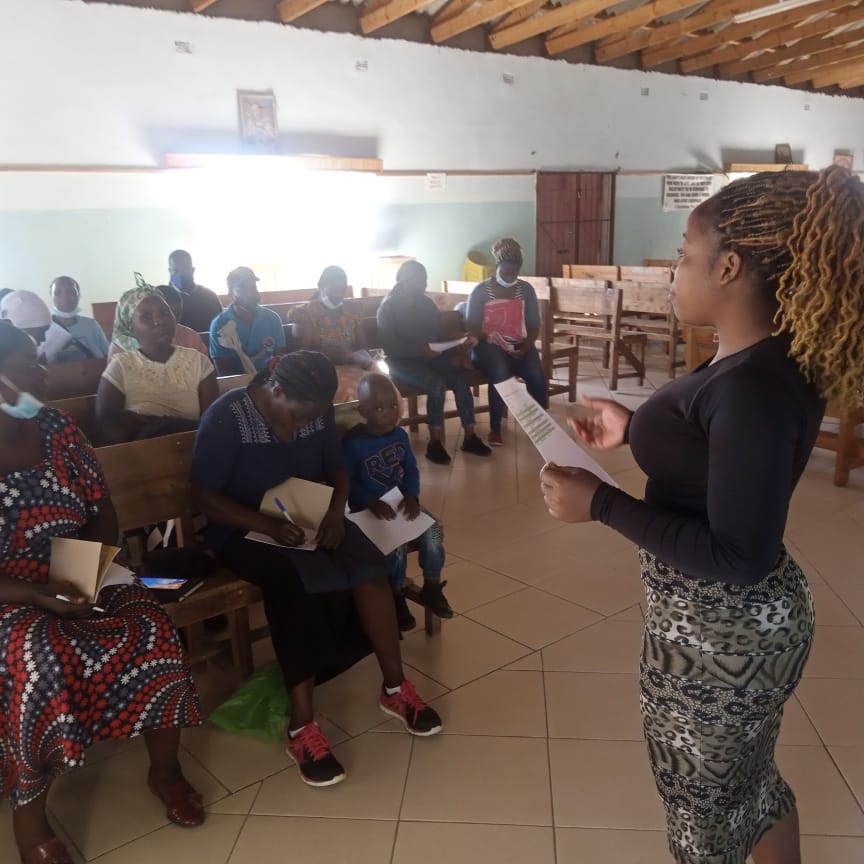
    The program managed to offer a safe place where children could share anything they want. There are non-judgmental hence participants were opening up. Peer to peer counseling interactive discussions where children opened themselves to get comfort from other children.

  • Retreat camps for caregivers and adolescents with disabilities

    Retreat camps for caregivers and adolescents with disabilities

    Any adult who regularly looks after a child with impairments qualifies as the child’s caregiver. The child’s parents usually look after them by default, but a caregiver can also be a hired professional who is compensated. A special needs child may also receive regular or sporadic care from other family members and reliable friends. Generally, the value of a caregiver to a child with disabilities is enormous.
    ZPHCA together with the department of Social Development hosted retreat camps for caregivers and adolescents. 138 caregivers and adolescents attended the retreat camp with the objective of improving their psychosocial wellbeing and to share experiences of caring children with different disabilities.

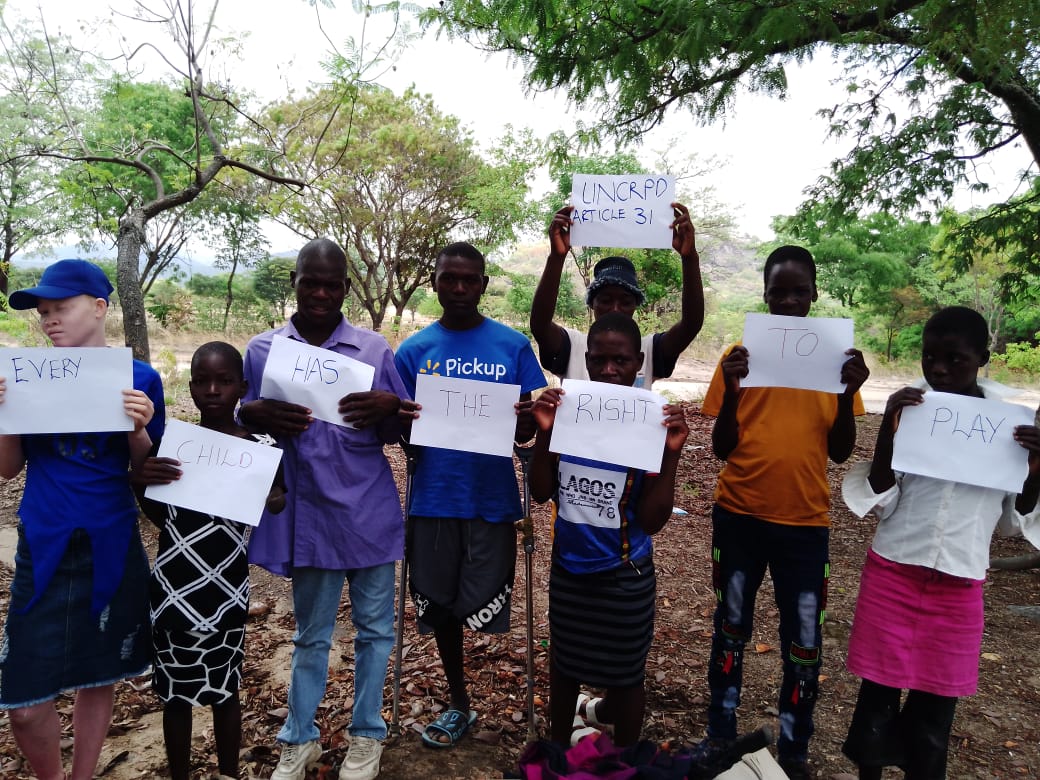
    Through the project, the ZPHCA team managed to note that most of the adolescents with disabilities were aware of the abuses and not familiar with the policies that protect them. Hence a request for simplified versions of the policies in local languages were put forth. The UNCRC Article 31 states that every child has a right to leisure and play, as it is mandated to promote leisure participation for all children including those with disabilities. Caregivers were encouraging to create safe places for play, that are safe and free to play. It was made clear to parents that play has benefits including developing the following: cognitive development, physical development, communication skills, social and emotional development.

    The day was later spent with caregivers playing with the children, singing and dancing to the music. “Thank you ZPHCA we now know each other and we have destressed from the caring of children with disabilities. We need more trainings like these and we express our utmost gratitude to the partners that made this event a reality” sentiments from one of the participants.
  • Parenting And Prevention of Sexual Exploitation and Abuse (PSEA) Training

    Parenting And Prevention of Sexual Exploitation and Abuse (PSEA) Training

    Parenting education has numerous advantages for parents, kids and families of persons living with disabilities. Such programs can assist parents in discovering practical solutions for enhancing their child’s abilities, controlling difficult habits and fostering their development. It is also of great importance that parents and other stakeholders are educated on sexual exploitation and abuse preventative measures that can be taken to safeguard children and adolescents with disabilities.

    For most families, parenting provides an ongoing source of happiness and joy as well as increased responsibility, anxiety and stress. Clearly, raising any child can be a difficult and emotional task for any parent, unfortunately, information pertaining to typical child development and childrearing strategies specific for parents with children with disabilities is very limited.

    Zimbabwe Parents of Handicapped Children Association (ZPHCA) conducted a disability inclusive Parenting and Prevention of Sexual Exploitation and Abuse (PSEA) training. The project was done through the program ” Building Capacity and Culture of Protection from all Forms of Violence, Abuse and Exploitation of Children and Adolescents with Disabilities (CAWDs).

    The objective of the training was to impart knowledge regarding disability inclusive parenting and to capacitate traditional leaders, DPOs, Faith-Based Organizations and Community based Organizations to facilitate case reporting, referral services and prevention of sexual exploitation and abuse of Children and adolescents with disabilities.

    In attendance were representatives from Department of Social Development, Zvataida-UMP Rural District Council, Ministry of Youth, Traditional leaders, Faith based Organizations, Zvatinoda Special Needs and Care Club and other Community-Based Organizations. The training was a great success and our team managed to establish significant positive impact through the interactive and inclusive training.