Category: blog

  • “My Albinism Does Not Define Me” – Sibonginkosi’s Story of Confidence and Advocacy

    “My Albinism Does Not Define Me” – Sibonginkosi’s Story of Confidence and Advocacy

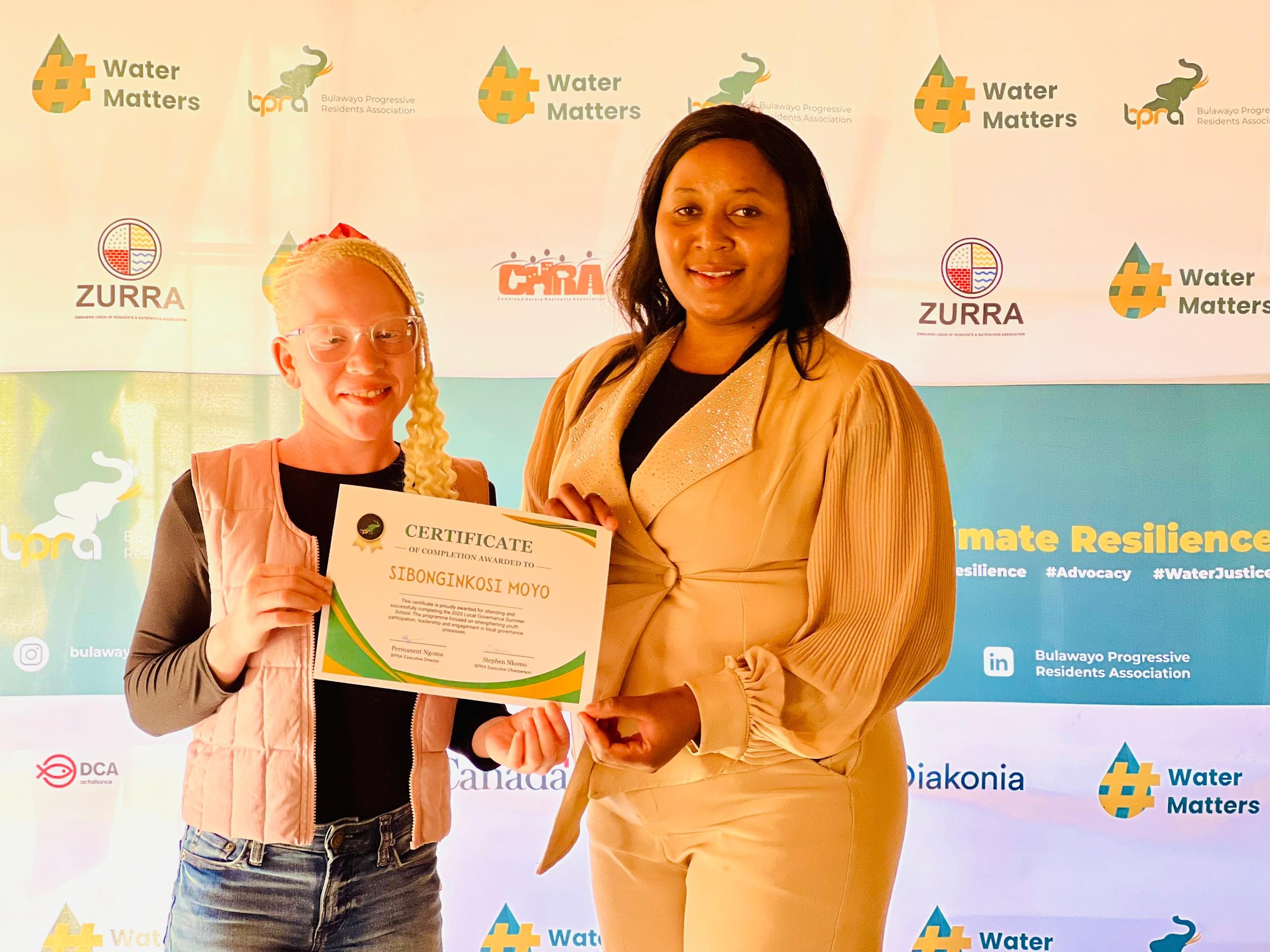
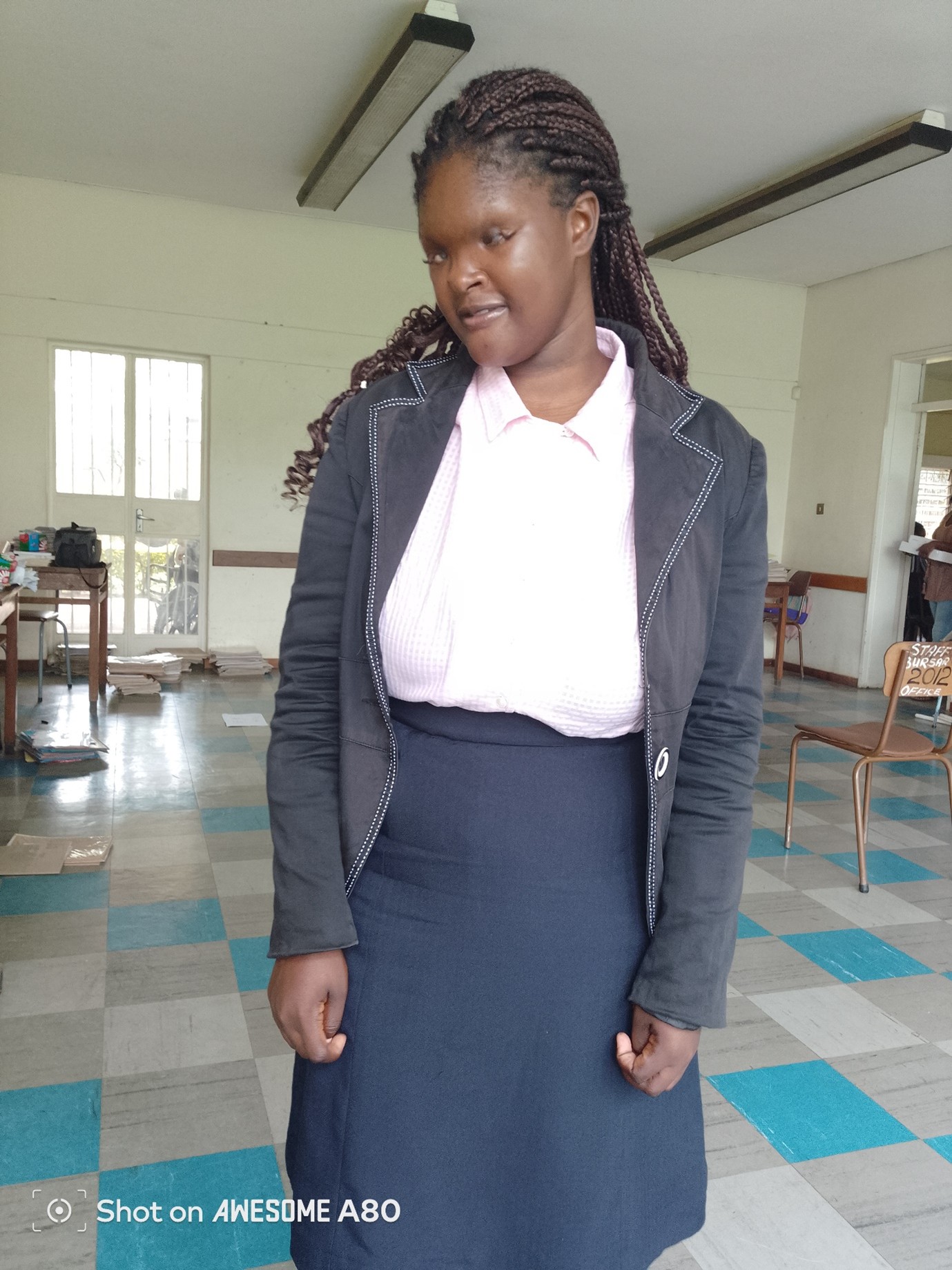
    At just 21 years old, Sibonginkosi Moyo has transformed her pain into purpose, becoming a confident advocacy champion for persons with albinism in Bulawayo. Growing up as an orphan raised by her grandmother, Sibonginkosi lived a lonely life shaped by stigma and discrimination. She recalls being called hurtful names and excluded by other children who were told she would “contaminate” them because of her albinism.

    After the passing of her grandmother, Sibonginkosi moved in with her aunt, who later joined a Parent-to-Parent Support Group facilitated by ZPHCA. Through disability rights and positive parenting trainings, her aunt’s understanding of disability began to change. This support eventually connected Sibonginkosi to advocacy and leadership training opportunities for youth with disabilities.

    Today, Sibonginkosi describes herself as confident, informed, and empowered. She is actively involved in advocating for the rights of persons with albinism and mobilising sunscreen lotions from local companies to support children living with albinism. She also conducts monthly awareness talks at her local church to promote understanding, acceptance, and inclusion within communities.

    Her leadership continues to grow, with recognition from different stakeholders in Bulawayo and participation in national advocacy platforms for youth with disabilities.

    Sibonginkosi’s story is a powerful reminder that inclusion, support, and opportunity can help young people with disabilities reclaim their voice, build confidence, and become changemakers in their communities.

  • Finding Joy and Belonging: David’s Journey to the Classroom

    Finding Joy and Belonging: David’s Journey to the Classroom

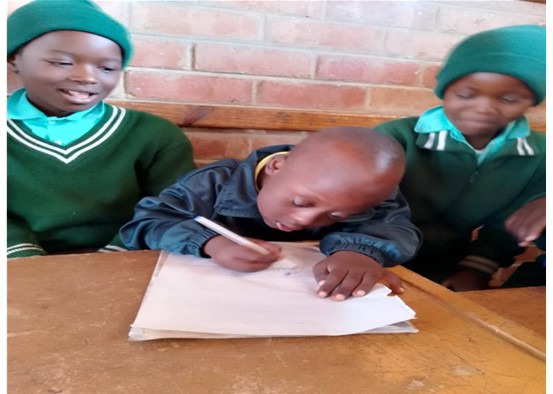
    For six-year-old David Mnikwa, school once felt like a frightening and unfamiliar place. Living with Down Syndrome, David spent most of his early years isolated at home while other children attended school. When he was first enrolled at Dumezweni Primary School’s Stimulation Class, he struggled to adjust, often crying throughout the day and keeping to himself.

    David’s mother was initially hesitant about sending him to school because she feared he would face bullying and stigma due to his disability. However, after joining a Parent-to-Parent Support Group facilitated by ZPHCA, she received peer support and counselling that helped her gain confidence and believe in her son’s potential.

    Following psychological assessments and collaboration between education, health, and social welfare stakeholders, an Educational Plan was developed to guide David’s learning journey. With support from the school, community stakeholders, and ZPHCA, David was enrolled into the stimulation class where he began interacting with peers and participating in learning activities.

    Over time, David’s confidence began to grow. He started sharing toys, playing with classmates, and expressing himself more freely in class. Today, David enjoys school so much that even on weekends he wakes up wanting to go to school.

    His journey reflects the importance of inclusive education, family support, and community-driven interventions in creating spaces where children with disabilities can thrive, learn, and belong

  • AUDREY MBIRIMI SUCCESSS STORY

    AUDREY MBIRIMI SUCCESSS STORY

    Audrey is a young girl aged 23 doing here Secondary teaching Diploma at Hillside Teachers College under the  University of Zimbabwe (UZ).She has been doing her teaching practice at Montrose Girls High School were she was teaching English and Geography. Next year she will be going back to the college to finish her diploma of which upon finishing she intends to continue with a degree in teaching.

    Audrey is visually Impaired and since she started her schooling journey, she has been using Braille  until she wrote here Advance level were she got 13 points . She stayed at home for almost two years due to financial constraints by the family. She was trained on Advocacy training  and after she engaged the Bulawayo Fort Street DSD  about her intentions to further here studies. They assisted her in acquiring a place for teaching in 2023 and all here fees were paid by the Disability fund of Government of Zimbabwe. Audrey  has successfully  achieved some medals in sports as well at the college . She has participated in the  Danhiko Paralypics Games were she participated in Discuss , shotput and javelin and she got a  Bronze medal in  Javelin. She also attended the ZITSU (  Zimbabwe  Tertiary Sport Union) Games  were she got  two gold medals  in shotput and one silver medal in Five aside  balls,the other gold medal was ana Honorary medal for  all games.

    Personally she has  built herself esteem  well ,physically and economically . Meeting different characters in school children has built her confidence well such that she can take up any challenge  and overcome it. She has also enjoyed the freedom of economic dependance during here teaching practice . ALL this come from just two day training of Advocacy training she attended and the  more success are yet to be achieved .

  • Developing the ZPHCA 2026–2030 Strategic Plan

    Developing the ZPHCA 2026–2030 Strategic Plan

    Zimbabwe Parents of Handicapped Children’s Association (ZPHCA) convened a strategic planning workshop on the 15th and 16th of December 2025 in Harare, bringing together a diverse group of stakeholders to shape the organisation’s future direction.

    The two-day workshop was attended byparticipants, including ZPHCA Board Members, Senior Management, Field Officers, Volunteers, Government Representatives, youth with disabilities, and other key stakeholders. The inclusive nature of the workshop ensured that different voices, experiences, and perspectives were represented in shaping the organisation’s strategy.

    A key highlight of the process was the active participation of youth with disabilities, whose contributions ensured that the strategic plan reflects the lived realities, priorities, and aspirations of beneficiaries. Their involvement strengthened the relevance of the planning process and reinforced the importance of inclusive decision-making within the organisation.

    The workshop focused on three main objectives:

    • To collectively develop a 5-year organisational strategic plan and action framework
    • To gather views from beneficiaries, staff, and stakeholders
    • To develop a strategic plan for the period 2026–2030 aligned with national and global development frameworks

    The planning process was guided by key national and organisational documents, ensuring that the strategy is grounded in existing policies, legal frameworks, and institutional learning.

    Through collaborative discussions, group work, and stakeholder engagement, participants worked towards a shared vision for the organisation, identifying priorities that will guide ZPHCA’s work over the next five years. The process not only strengthened internal alignment but also enhanced ownership of the strategy among stakeholders.

    The outcome of the workshop was the development of a draft ZPHCA 5-Year Strategic Plan, which is set to be validated and adopted by the ZPHCA Board during the first quarter meeting of 2026.

    The development of the ZPHCA 2026–2030 Strategic Plan marks an important step towards strengthening the organisation’s impact, ensuring that its programmes remain responsive, inclusive, and aligned to the needs of children and youth with disabilities.

  • National Advocacy during the International Day for Persons with Disabilities

    National Advocacy during the International Day for Persons with Disabilities

    Zimbabwe Parents of Handicapped Children’s Association (ZPHCA) participated in the national commemorations of the International Day for Persons with Disabilities (IDPD) held at Jerera Primary School in Zaka on 3 December 2025. The event brought together various stakeholders, organisations of persons with disabilities, government representatives, and community members to reflect on progress made towards disability inclusion and to advocate for the rights of persons with disabilities.

    As part of the commemorations, ZPHCA ensured that children and youth with intellectual disabilities were actively represented at the national platform. A total of 10 children and youth with different forms of disabilities participated in the event, providing them with a valuable opportunity to engage with national leaders and share their experiences.

    The participation of children and youth with disabilities was particularly significant as it strengthened their confidence, leadership, and advocacy skills. By taking part in national advocacy processes, the young participants were empowered to speak about issues that directly affect their lives, including access to inclusive education, social services, and community support.

    During the event, the children and youth with disabilities developed a youth and child-friendly advocacy position paper highlighting key issues affecting persons with disabilities. The document captured their voices, experiences, and priorities, ensuring that the concerns of young people with disabilities are heard at decision-making levels.

    The advocacy position papers were presented to key national leaders and representatives including Honourable Senator Annah Shiri, Honourable Senator Ishmael Zhou, who represents persons with disabilities in Parliament, Mr. Zimhunga, Acting Chief Director in the Ministry of Public Service, Labour and Social Welfare, and Ms. Mercy Maunganidze, Chairperson of the National Disability Board.

    These engagements created an important platform for direct dialogue between young people with disabilities and policymakers, allowing leaders to hear firsthand the challenges faced by children and youth with disabilities in their communities.

    In addition to advocacy activities, youth with disabilities also participated in exhibitions during the commemorations where they showcased innovative and entrepreneurial products. The exhibition demonstrated the talents, creativity, and capabilities of young people with disabilities, challenging negative stereotypes and promoting greater acceptance within communities.

    The participation of ZPHCA and the young people in the national commemorations contributed to raising awareness on disability rights, promoting inclusion, and strengthening community understanding of the abilities and potential of persons with disabilities. It also highlighted the importance of ensuring that children and youth with disabilities are included in national conversations and decision-making processes that affect their lives.

    Through such advocacy platforms, ZPHCA continues to promote the meaningful participation of children and youth with intellectual disabilities, ensuring that their voices are recognised and their rights are protected within communities and at national level.